
The holiday season often brings busier schedules, colder weather, and longer nights, making it tempting to slow down. For older adults and individuals with disabilities, maintaining regular movement is essential for both physical health and emotional well-being. Staying active during this period helps prevent stiffness, improves circulation, and supports mood, energy, and overall quality of life.
Simple activities can make a big difference. Walking indoors, stretching exercises, chair-based workouts, or gentle yoga help maintain mobility and flexibility. Even short sessions several times a day contribute to strength and balance. Adjusting routines to accommodate energy levels and physical limitations ensures that exercise remains safe and sustainable.
Safety should always be a priority. Clear pathways, non-slip shoes, and sturdy support surfaces reduce the risk of falls. For those using mobility aids, ensuring that walkers or canes are in good condition and used correctly enhances stability. Checking in with healthcare providers before starting a new exercise routine is recommended, especially for individuals with chronic conditions.
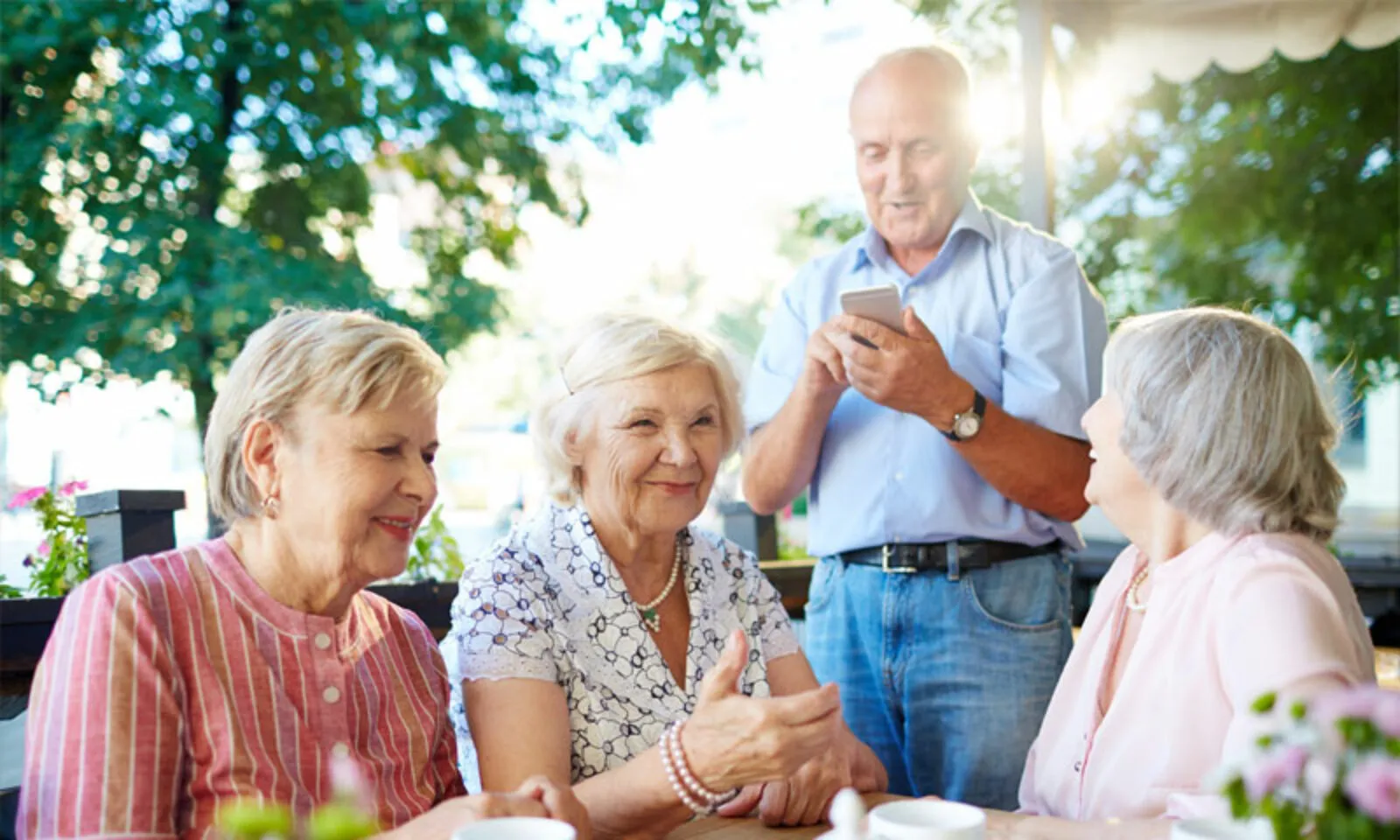
Social activity can be incorporated into movement. Participating in group classes, family walks, or holiday-themed activities provides both exercise and social connection. Engaging with others while being active encourages consistency, adds motivation, and combats feelings of isolation that sometimes increase during the winter months.
Even light movement benefits the mind as well as the body. Stretching, gentle exercise, or short walks stimulate circulation and brain function, reduce stress, and improve mood. Maintaining a routine, even during busy holiday weeks, reinforces healthy habits that carry into the new year.
Community agencies and case managers can offer support by recommending safe programs, coordinating transportation, or providing access to virtual classes. Leveraging these resources ensures that older adults and individuals with disabilities remain active while minimizing risks. Professional guidance tailors activities to individual abilities and ensures consistent support.
Staying active during the holidays is a gift of health and well-being. By incorporating movement into daily routines, prioritizing safety, and seeking support when needed, seniors and adults with disabilities can enjoy a more energetic, connected, and fulfilling season. Small, consistent steps make a meaningful difference in health, mood, and independence.